
Is Milk Good for You? The Real Story Behind Full Cream Milk
A Familiar Favourite at the Market
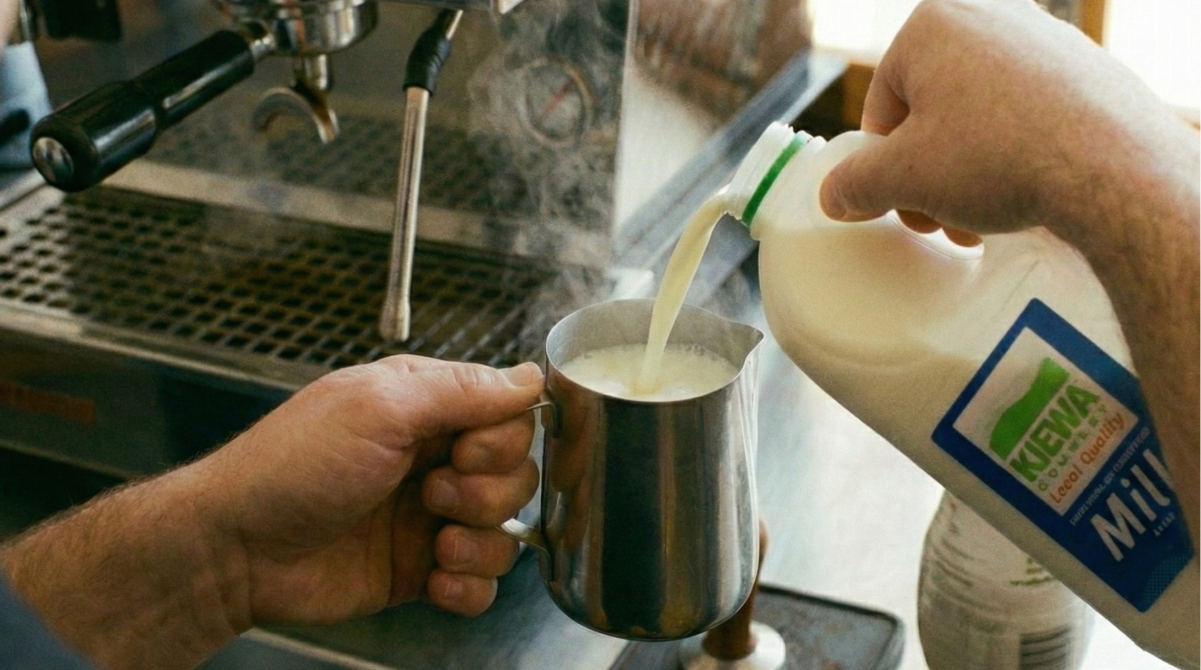
Step into the Dairy Hall at Queen Victoria Market on a Saturday morning and you’ll find more than just milk. Coffee drinkers lean over the counter for a refill, kids juggle crumpets and milkshakes, and locals swap news while picking up their weekly staples. For many Melburnians, milk is a quiet constant – part of the rhythm of breakfast, baking, and family cooking. But the question still bubbles up in conversations over coffee: is milk actually good for you, especially full cream milk?
The Nutritional Goodness in a Simple Glass
Full cream milk, with around 3.5 per cent milk fat, is a natural source of protein, minerals, and vitamins. Each glass provides about eight grams of protein to help build and repair muscles, along with calcium and phosphorus for strong bones and teeth. It also supplies vitamin B12 for energy and vitamin D to support immune health.
The natural fats in milk help your body absorb these nutrients and provide slow, steady energy. In a time when food choices can feel complicated, milk’s appeal lies in its simplicity – a naturally balanced food that’s stood the test of time.
Rethinking the “Full Fat Is Bad” Idea
For years, many were told to choose low-fat or skim milk. But nutritional research has given us a more nuanced picture. While full cream milk has more fat and calories, its fats differ from those found in heavily processed foods. Some studies suggest dairy fats may have a neutral or even positive role in heart health, and similar results are seen in foods such as yoghurt and cheese.
The real story? It’s less about cutting out fat entirely and more about what we replace it with – foods that are wholesome and satisfying, rather than highly processed. Balance, variety, and moderation matter most.
Full Cream vs Low-Fat – What’s the Difference?
Both types offer calcium, protein, and essential vitamins. What changes is how they taste and fit into daily life. Full cream milk’s richness can make a coffee or dish feel more comforting, while low-fat or skim milk provides the same nutrients with fewer calories. For some, that lighter option feels right; for others, the fuller flavour wins out. It’s about finding what suits your taste, lifestyle, and the way you eat.
Finding Your Balance
So, is milk good for you? For most people, yes – when enjoyed thoughtfully as part of a balanced mix of fresh foods. Full cream milk isn’t something to be wary of; it’s a nutrient-rich staple that’s been part of Australian kitchens for generations. If you love its flavour in your flat white or rely on it in baking, it can easily have a place in your diet – just as there’s space to listen to what feels best for your body.
Next time you’re at Queen Victoria Market, ask your trader where their milk comes from, or try something new from a local producer. Every pour tells a story of craft, care, and community – a gentle reminder that good food often begins close to home.
The Takeaway
Milk, whether full cream or low-fat, remains part of everyday nourishment. As the science evolves, the heart of it stays the same: make mindful choices, support local producers, and enjoy food that connects you to the people and place you call home.

